
Category: Sports Culture
-

How Super Bowl Ads Became Corporate Legitimacy Theater
Super Bowl ads no longer sell products. They sell trust, belonging, and moral alignment as corporations replace politics with managed empathy.
published:
·
-

How Sports Decide When Political Speech Is Allowed
Athlete activism isn’t free speech. It’s tolerated when symbolic and delayed, and constrained when direct, immediate, and costly to leagues and sponsors.
published:
·
-
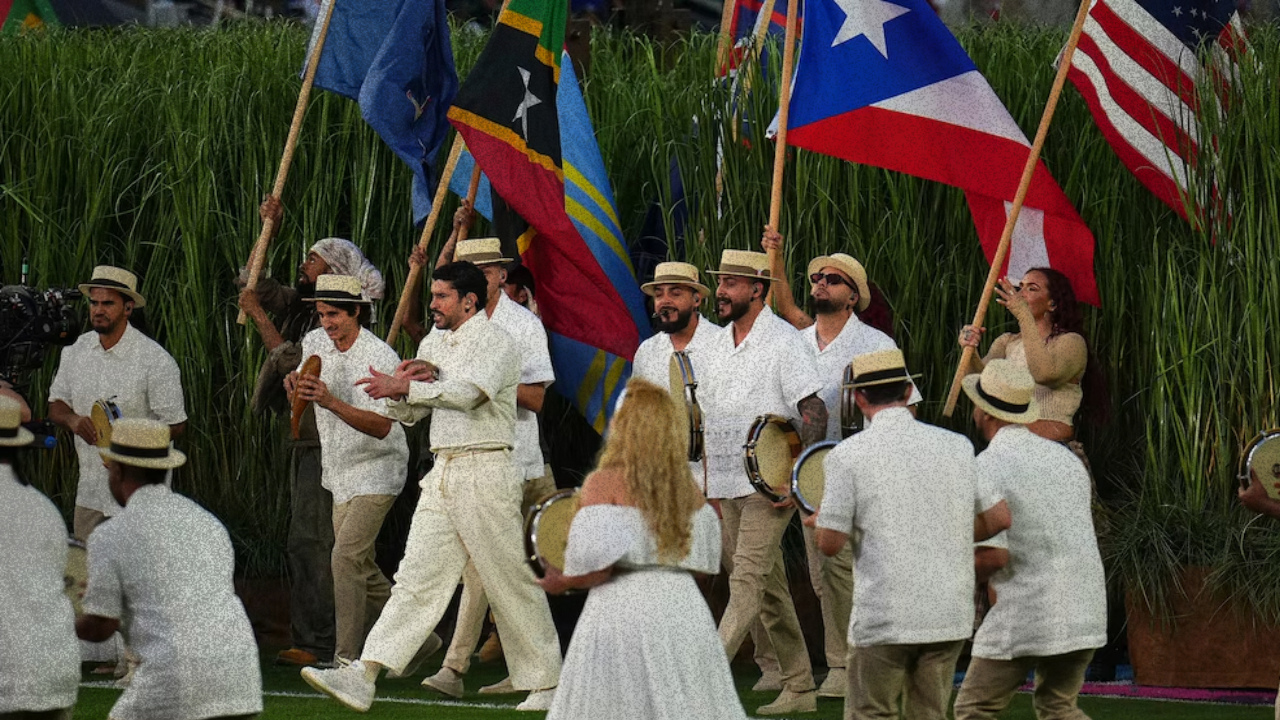
Bad Bunny’s Super Bowl Show and Empire’s New Strategy
Bad Bunny’s Super Bowl halftime show wasn’t revolutionary or un-American. It showed how U.S. power absorbs difference without conceding autonomy.
published:
·
-

British Olympian Posts Anti-ICE Message on Olympic Opening Day
The response to Kenworthy’s protest post highlights how Olympic rules interpret political speech and where neutrality may be applied unevenly.
published:
·
-

Wembanyama Breaks Silence on State Violence
Victor Wembanyama’s response to ICE shootings reveals how sports culture enforces silence, disciplines dissent, and protects institutions of force
published:
·
-

Charles Barkley Breaks the Sports Silence on ICE
By calling out ICE-linked killings, Barkley exposed the quiet rules that govern when athletes are allowed to speak and when silence is safest
published:
·
-
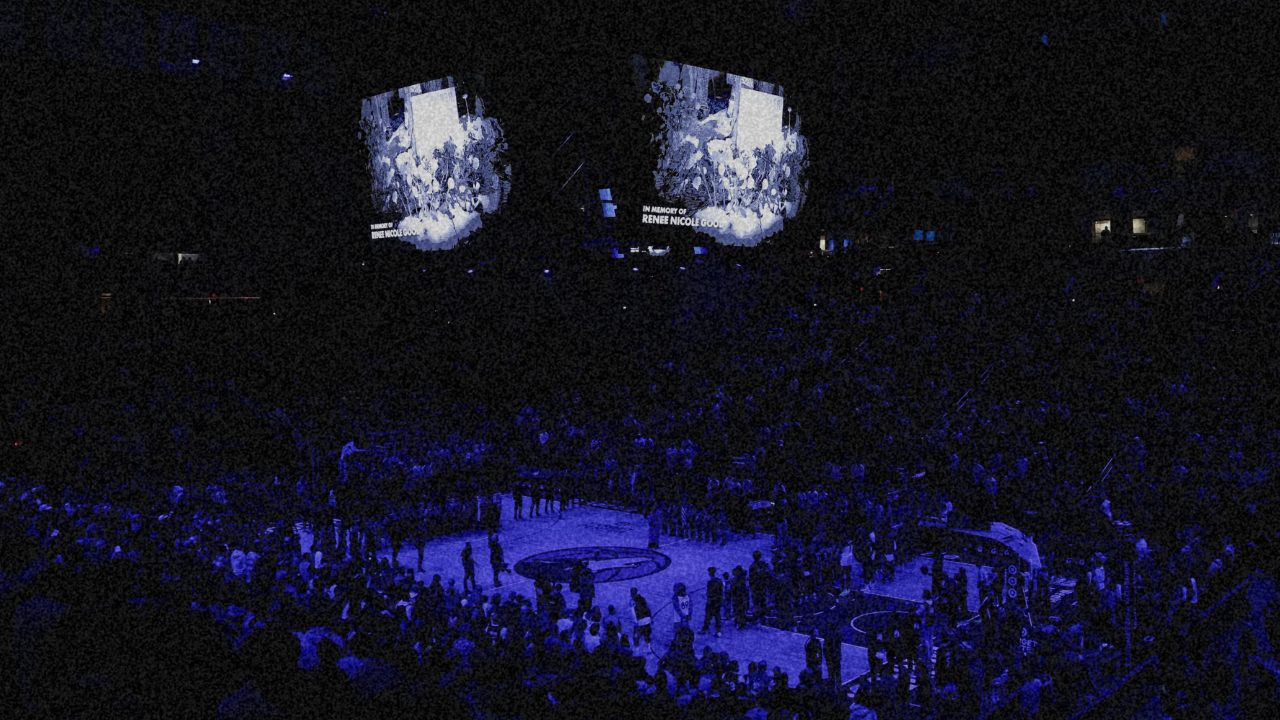
When Athlete Activism Reaches the Edge of Power
The silence after Renée Nicole Good’s killing shows how quickly social conscience in sports collapses when domestic state power, risk, and enforcement collide.
published:
·
-

Why the NFL Couldn’t Allow Azeez Al-Shaair’s Message
A playoff fine over eye black exposed how the league curates “acceptable” activism, disciplines dissent, and controls meaning on America’s biggest stage.
published:
·
-

Canada Loves Hockey Until It Stops Guaranteeing Comfort
The World Juniors stopped being a coronation and became a competition, exposing how Canadian hockey fandom confuses comfort, dominance, and tradition.
published:
·
-

Sports Betting Is Rewriting What It Means to Be a Fan
Legalized wagering has turned athletes into targets, fans into bettors, and sport into a transactional spectacle, reshaping the culture and meaning of the games.
published:
·
-
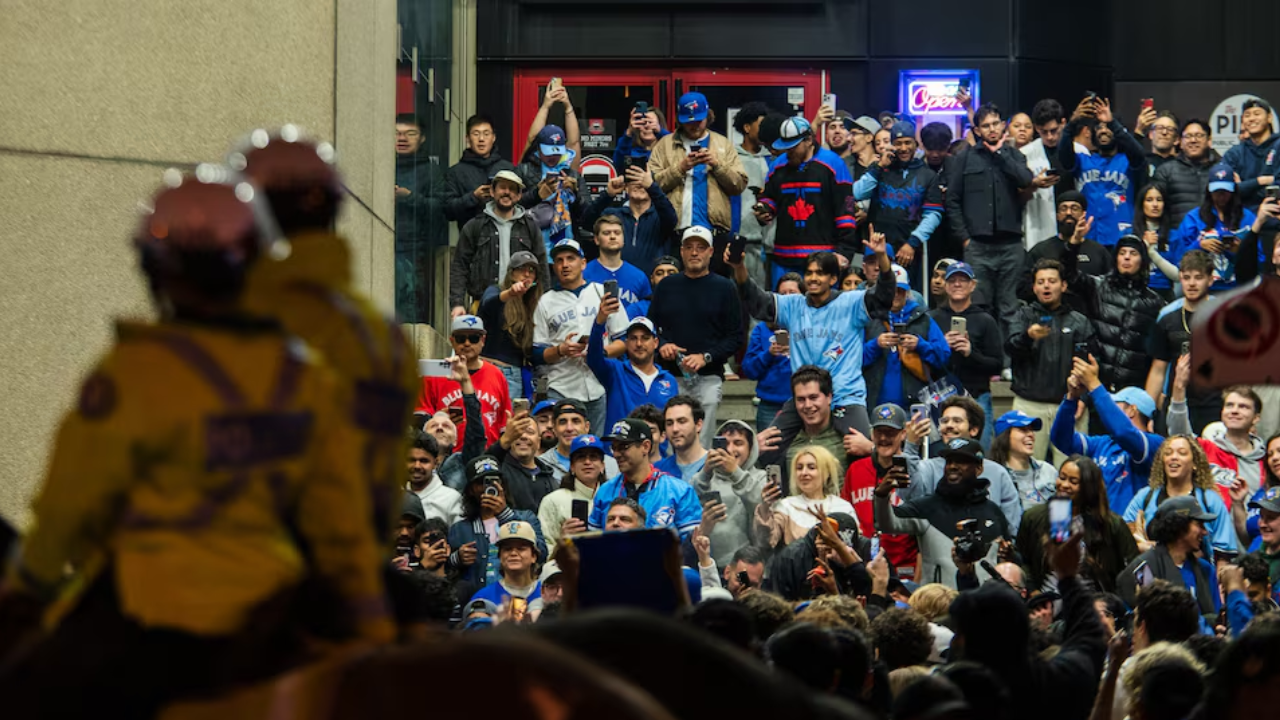
Baseball as Power: Emotion, Ritual, and State Control
Baseball isn’t just a game—it’s a system of emotional management, civic identity, and state power that shapes how cities gather, feel, and understand themselves.
published:
·