
Category: Sports Fandom
-
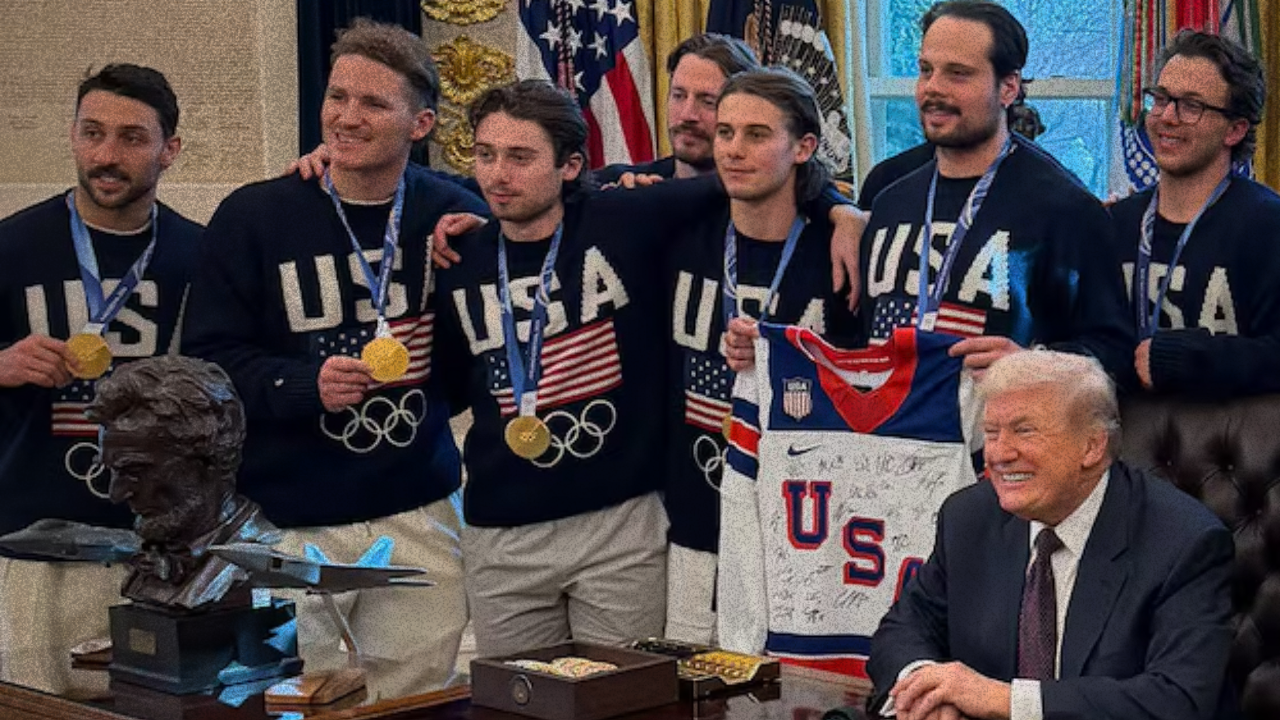
Why the Auston Matthews Trump Backlash Was Inevitable
Auston Matthews’ White House visit triggered backlash not because of Trump alone, but because fans mistake elite athletes for moral proxies inside state spectacle.
published:
·
-

How the Trump Hockey Outrage Misses the Point
The outrage over the Trump hockey call targeted players instead of the system. That’s exactly what the system is designed to produce.
published:
·
-

Why Canada’s Olympic Loss to the U.S. Hurt So Much
Canada’s Olympic loss to the U.S. exposed the same national anxiety McDavid once relieved, proving hockey carries emotional weight win or lose.
published:
·
-
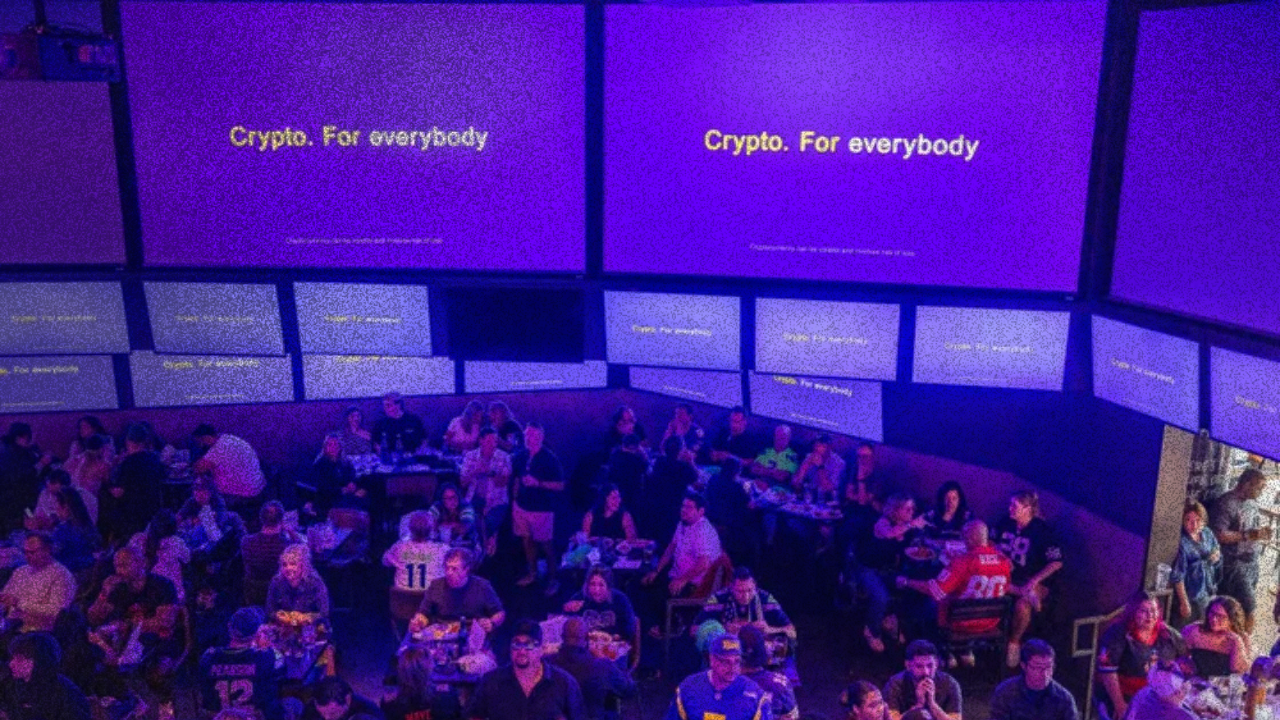
How Super Bowl Ads Became Corporate Legitimacy Theater
Super Bowl ads no longer sell products. They sell trust, belonging, and moral alignment as corporations replace politics with managed empathy.
published:
·
-

Bad Bunny’s Super Bowl Show and Empire’s New Strategy
Bad Bunny’s Super Bowl halftime show wasn’t revolutionary or un-American. It showed how U.S. power absorbs difference without conceding autonomy.
published:
·
-

The Olympics and the Collapse of Neutrality
As Israel wages genocide in Gaza, the 2026 Games expose how sport rewards power, silences victims, and collapses when crowds refuse consent.
published:
·
-

UFC 324 Was Not a Debut. It Was a Warning
Marketed as a launch, UFC 324 exposed a platform built on risk shifted downward, eroding trust for fighters and fans while prioritizing valuation over sport.
published:
·
-

Canada Loves Hockey Until It Stops Guaranteeing Comfort
The World Juniors stopped being a coronation and became a competition, exposing how Canadian hockey fandom confuses comfort, dominance, and tradition.
published:
·
-

Sports Betting Is Rewriting What It Means to Be a Fan
Legalized wagering has turned athletes into targets, fans into bettors, and sport into a transactional spectacle, reshaping the culture and meaning of the games.
published:
·
-
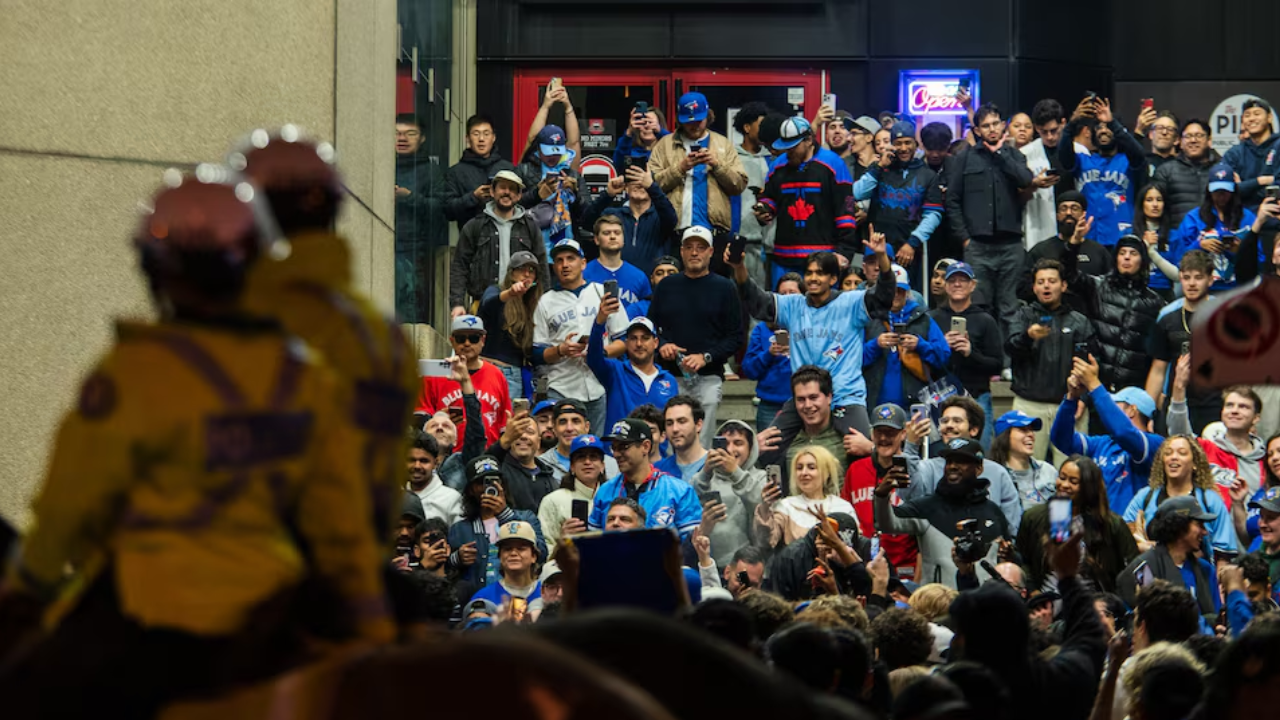
Baseball as Power: Emotion, Ritual, and State Control
Baseball isn’t just a game—it’s a system of emotional management, civic identity, and state power that shapes how cities gather, feel, and understand themselves.
published:
·
-

The 9-Run Inning and What We Lose When Sports Become a Market
Toronto’s historic 9-run inning showed the magic of shared fandom, even as gambling culture threatens to turn every emotional moment into monetized content.
published:
·